How we work in your home
A repair should be easy to live with afterwards: the right parts, joints that hold, and a space left the way we found it. Here's how we go about that on every job.
On every job
-
Protect the space first
Floors and cabinets near the work get covered before tools come out, and we locate the shutoff for the area we're working on.
-
Find the cause
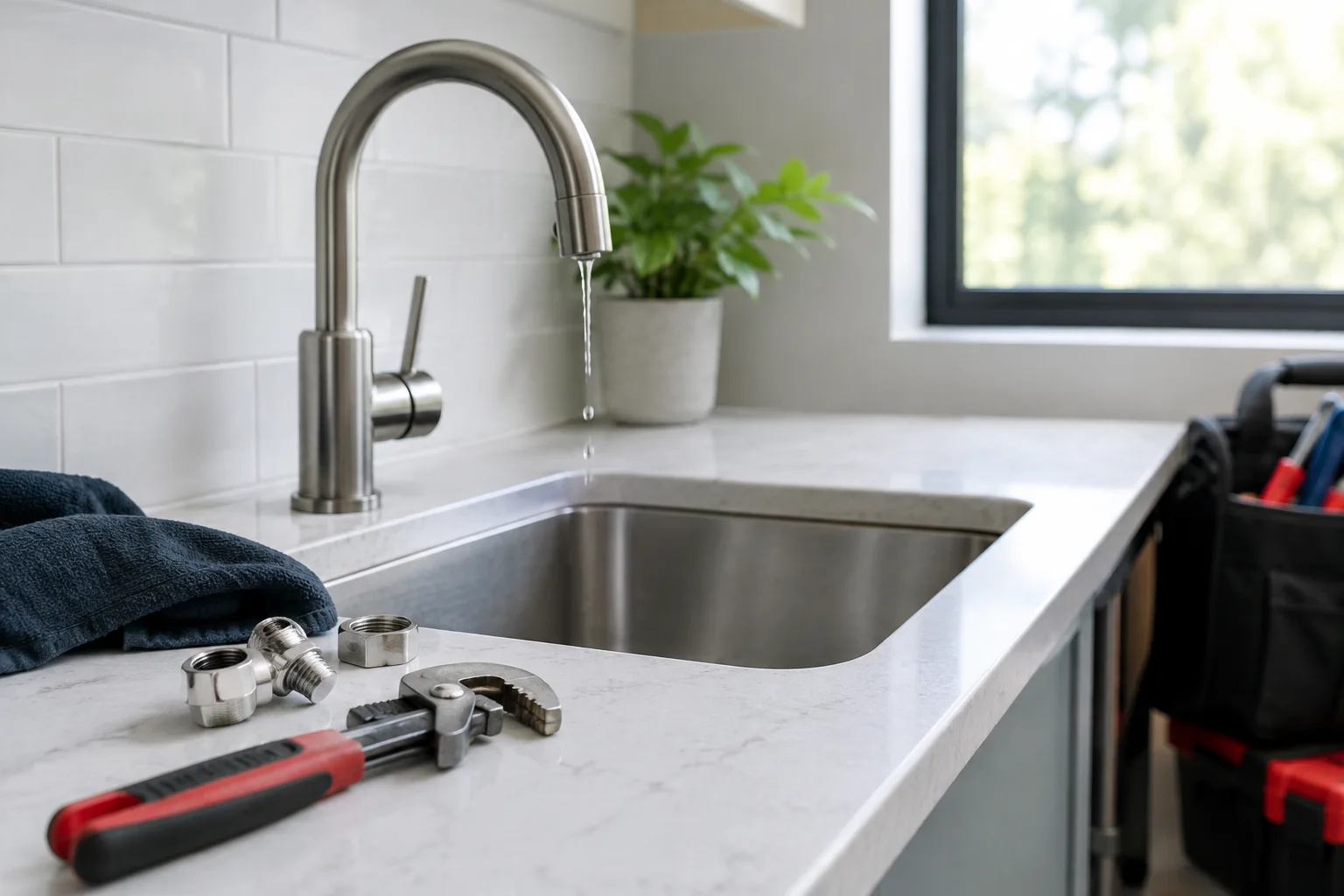
A drip under a sink can come from the faucet, the supply line or the drain. We trace it before replacing anything, so you only pay for the part that failed.
-
Match the materials
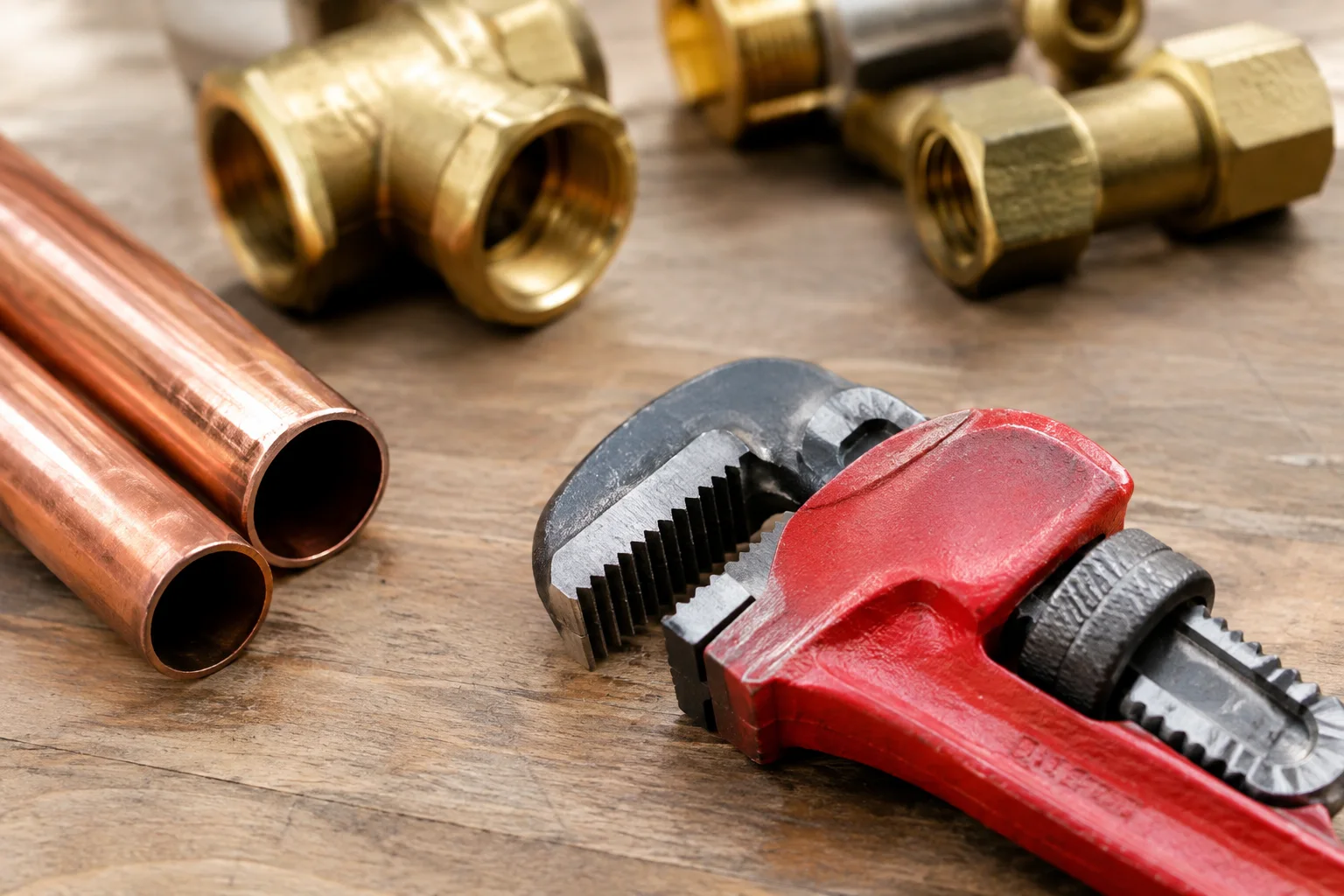
New work is joined to your existing copper, PEX, PVC or galvanized pipe with fittings made for that connection.
-
Test under pressure
Supply joints are run at normal pressure and drains are run with water before we call the job finished.
-
Clear up and explain
Old parts and packaging leave with us. We show you what was done and anything we noticed that you may want to keep an eye on.
The kind of work we do
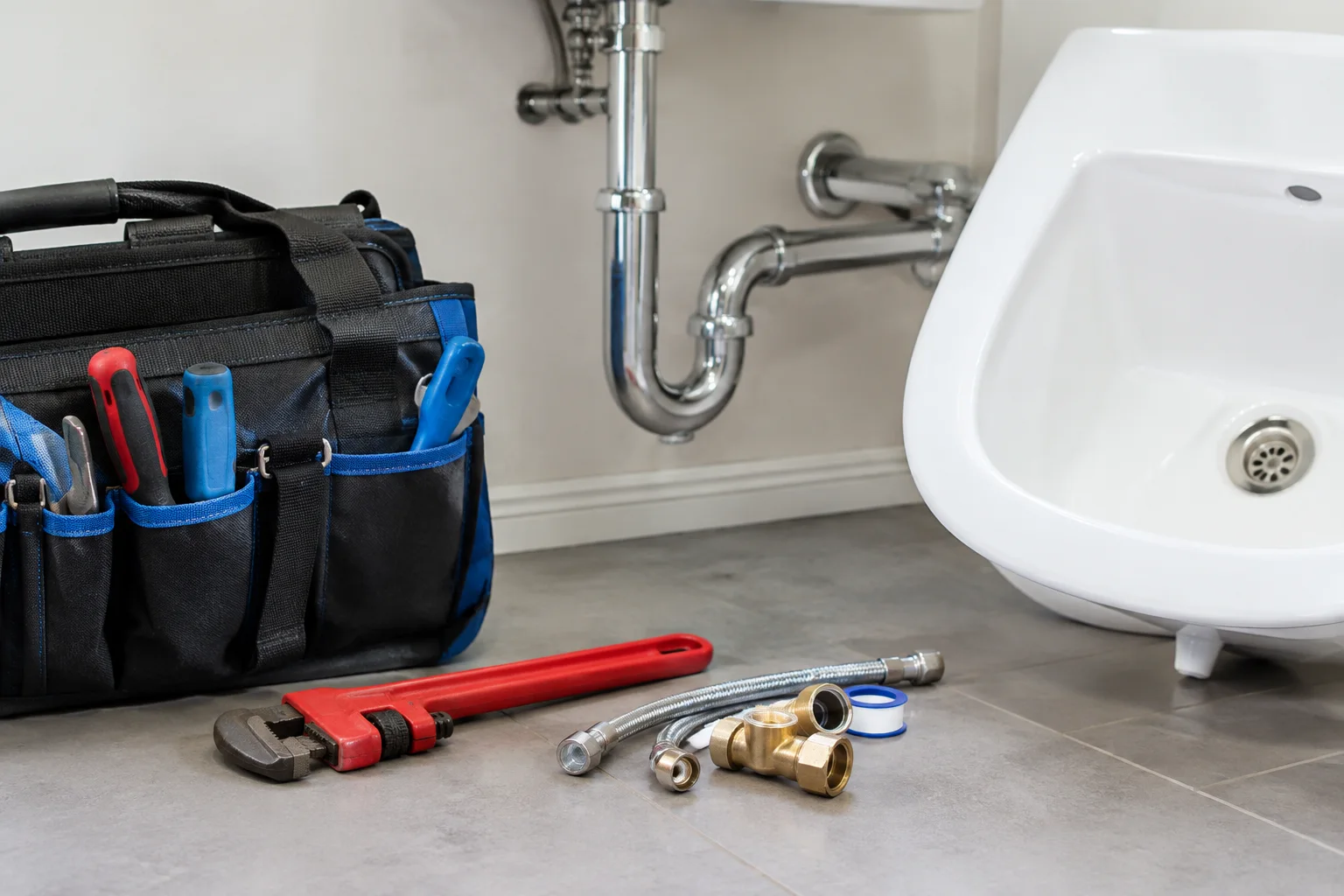
These photographs are illustrative. Finished jobs will appear here only with the homeowner's permission.
What the job usually calls for
- Leaks
- Replacement cartridges, washers and seals for the fixture's make, braided supply lines, and fittings for your pipe type.
- Drains
- Hand and drum augers sized to the drain, plus tools to remove and clean traps.
- Water heaters
- Replacement valves and elements for common models, and the connectors needed to fit a new unit.
- Pipework
- Pipe and fittings for copper, PEX and PVC, and transition fittings where old and new materials meet.